This week I thought I’d review Elizabeth is Missing by Emma Healey. I
finished it last night so the timing was perfect and on top of that, Emma
Healey is a relatively recent graduate from the UEA MA creative writing course and I'm always interested in the authors that come out of UEA.
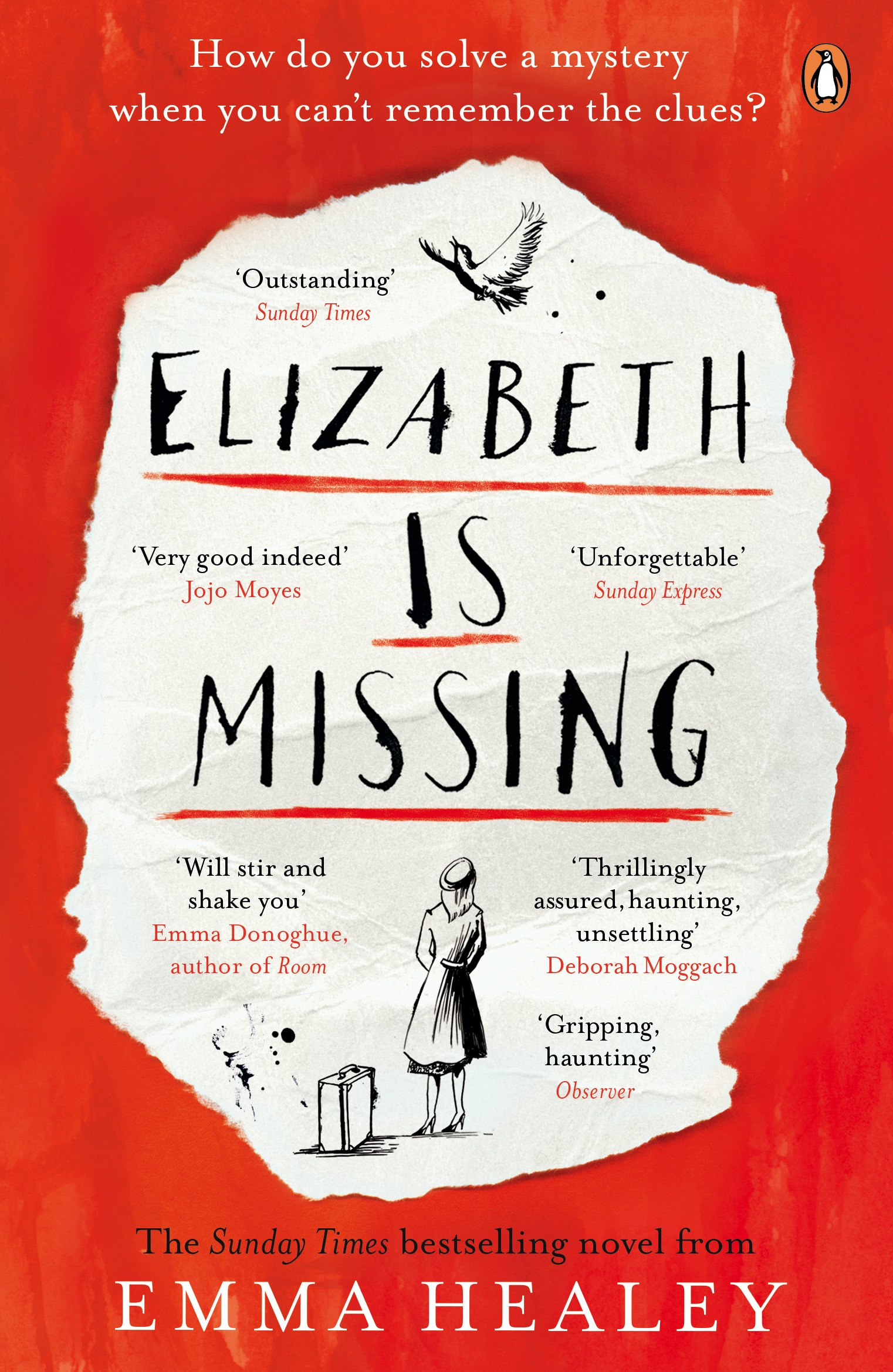
Elizabeth
is Missing is about an 82 year old woman named Maud whose memory is in
decline. It starts off with small things – Maud going down to the shop and buying
masses of tinned peaches, not remembering she did the same yesterday and the
day before – and gets worse as the novel progresses. However, there is one
thing that she fixates on. While she’s forgetting her children’s names and
where she lives, she never fails to remember that her friend Elizabeth seems to
be missing.
The novel is like a mix between Lisa
Genova’s Still Alice and Gillian
Flynn’s Gone Girl, resulting in it
being nicknamed Gone Gran when it was
published in 2014. Healey ties in the mystery of Elizabeth with the mystery of
Maud’s sister going missing when Maud was a child, back in 1946. The paralleling
of an incredibly relatable modern day narrative with stories from post-war
England is beautifully constructed and written. Readers can sympathise with
Maud’s plight – one that many elderly people suffer from and we probably all
have at least second hand experience of – whilst also immersing themselves in the
1940s culture and fashion that is described in Maud’s memories.
The unreliable narration from a character
with Alzheimer’s keeps the mystery alive throughout the entire book. But at the
same time, you never find yourself distrusting Maud. The narration is so rooted
in Maud’s head, we understand her thought processes and her memory loss in a
way that highlights the fact that this could happen to anyone. Healey writes
about Alzheimer’s with compassion and sensitivity and it’s written in such a
realistic way that I found myself doubting my own mental faculties whenever I
put the book down.
I’ve heard it said that Elizabeth is Missing ‘loses its way’
three quarters of the way through and becomes repetitive. But I think
repetitiveness is very hard to avoid in a book in which the narrator can’t
remember what she did an hour before. And Healey, in most cases, tends to avoid
this repetitive feeling by bringing in a new flashback to the 1940s that introduces
a new clue about the disappearance of Maud’s sister and sparks our interest all
over again.
I personally found the mystery a little
predictable. Close to the end of the book I had guessed what had happened to
Maud’s sister and my suspicions were confirmed. However, I’m not sure this
predictability is necessarily a bad thing, not after reading Gillian Flynn’s Gone Girl in which the author seems to
pluck a strange ending out of the air in order to not be predictable (you can
see my review of Gone Girl here: Gone Girl Review).
I would recommend this book to
anyone. It’s an easy read and the present tense, first person narration – a style
I think most authors would struggle to keep up for an entire novel – flows
beautifully throughout.
Thanks for reading!

